

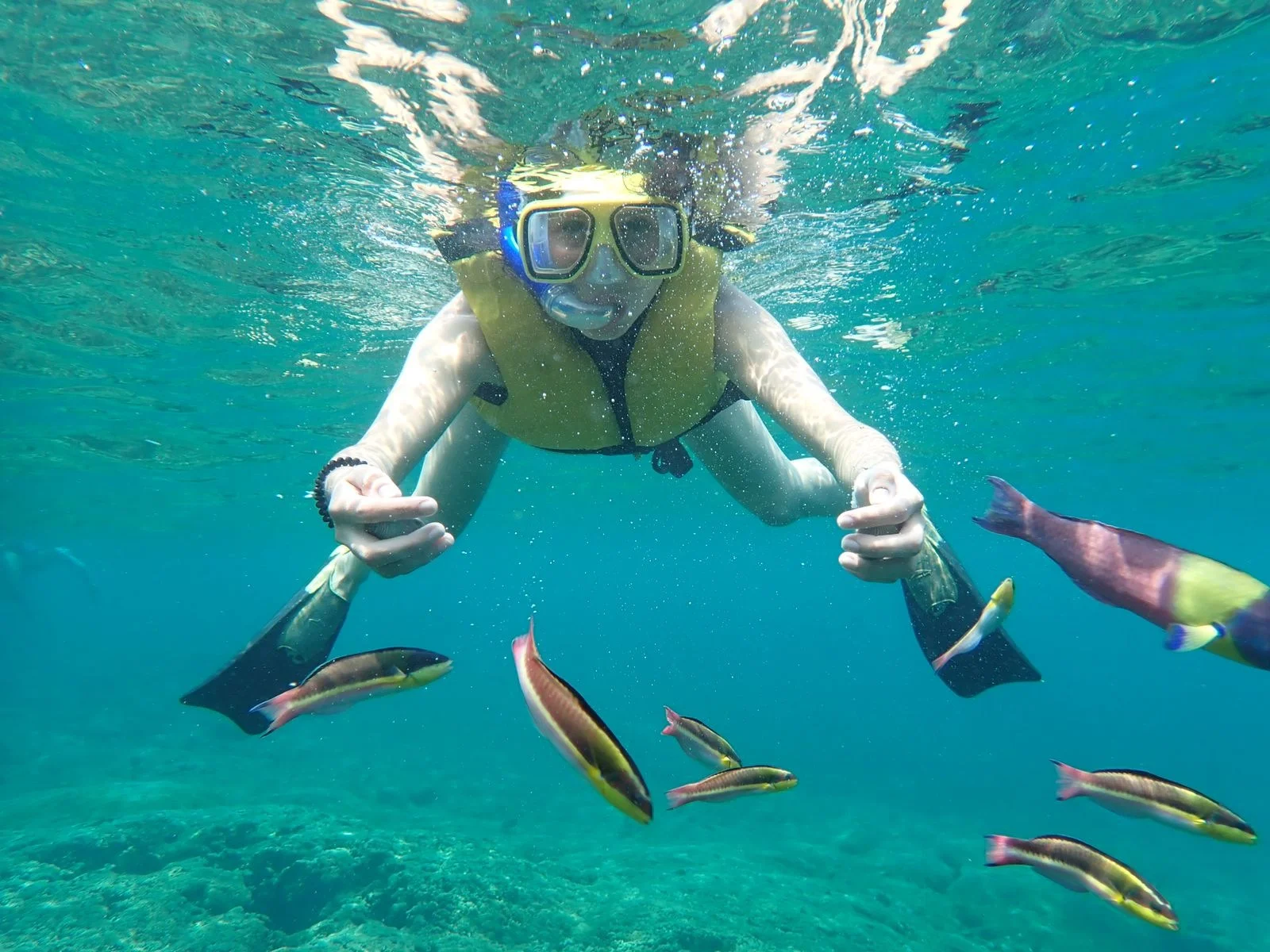
Quick answer
Snorkel rental kiosks operate at Santa Cruz, La Entrega, Maguey, and Chahué bays between 07:00 and 19:00 daily. Full mask-and-fin sets range from 80 to 150 MXN for the day, with life vests adding 50 MXN. Quality varies by location—La Entrega and Maguey stock silicone masks with tempered glass, while Santa Cruz kiosks often supply older rubber models with scratched lenses that fog easily.
More than sixty percent of first-time snorkelers in Huatulco rent equipment on-site rather than bringing their own, yet most discover the quality gap only after entering the water. The National Park fee of 125 MXN grants access to all nine bays, but snorkel gear rental in Huatulco remains a separate transaction handled by independent beach operators rather than the park authority itself. La Entrega bay hosts the most reliable rental operation—three competing kiosks positioned at the eastern end of the beach near the boat launch. Each stocks silicone masks in adult and child sizes, adjustable fins, and mesh gear bags. Operators replace mask straps weekly during high season and rinse equipment in freshwater bins between rentals. Maguey bay's single rental stand maintains similar standards but closes unpredictably when surf exceeds one meter. Santa Cruz beachfront, despite heavier foot traffic, supplies older stock with non-adjustable heel straps that slip during swim-throughs along the western rocks. Coral gardens at Maguey and La Entrega sit in three to six meters of water over sandy substrate, shallow enough that life vests become optional for confident swimmers. Reef fish density peaks in the first two hours after the bays open, before boat tours arrive and visibility drops from sediment stirred by anchor drag. Violin Bay and San Agustín require boat access and offer no on-site rentals; visitors planning those locations must secure gear at Santa Cruz before departure. Gear fit matters more than most renters expect. Masks that leak at the surface will flood during duck dives, and fins sized too large cause blisters across the ankle within thirty minutes. The best kiosks allow a dry seal test before payment—press the mask to your face without using the strap, inhale through your nose, and release your hands; a proper seal holds the mask in place for five seconds. Operators at La Entrega permit exchanges within the first fifteen minutes if fit issues emerge in the water, a policy the Santa Cruz stands rarely honor. Snorkel rental in Huatulco delivers the most value when combined with early arrival and a willingness to walk past the first kiosk. The quietest reefs and the cleanest equipment both reward the same preparation—showing up before the crowd and checking quality before committing.
“A proper mask seal holds in place for five seconds when you press it to your face and inhale through your nose—test it dry before you pay.”
Best Time for Huatulco Snorkel Rental and Water Entry
The best arrival window is 07:00–10:00 to avoid mid-morning crowds and gain better visibility before peak daytime heat. Selecting the right seasonal period further optimizes water clarity for snorkeling.
Dry Season (Nov–Apr)
Moderate to high28°C–32°C; stable, sunny conditions.
Water visibility is typically at its highest during these months. Mornings provide calm sea conditions for equipment use.
Rainy Season (May–Oct)
Low to moderate26°C–31°C; periodic afternoon showers.
Warm water temperatures persist. Snorkelers should prioritize early hours to avoid afternoon winds and potential turbidity.
Weekday mornings
Low—
Mid-week visits offer the most tranquil experience at the bays. Arriving early ensures access to equipment before peak demand.
Verdict: For optimal conditions, plan your visit for a weekday between November and April, arriving in the 07:00–10:00 window.
Essential Preparation for Your Huatulco Snorkel Rental Experience
Arrive prepared to maximize your snorkeling time in Huatulco's protected bays.
-
Bring reef-safe sunscreen — Chemical sunscreens damage coral; use mineral-based formulas with zinc oxide or titanium dioxide.
-
Pack a government-issued ID — Required for National Park entry registration and rental deposit verification.
-
Wear water shoes or sandals — Rocky entry points and sea urchins make barefoot access uncomfortable and risky.
-
Carry 125 MXN in cash — The per-person conservation fee is collected at bay access points, often cash-only.
-
Book your rental in advance — Equipment availability drops sharply after 10:00 during peak season.
-
Bring a waterproof bag — Protects valuables and documents during boat transfers to snorkel sites.
Common Mistakes to Avoid When Organizing Huatulco Snorkel Rental
Snorkeling in Huatulco's bays is straightforward, but a few safety oversights can turn a pleasant outing into a taxing experience. Here are the errors that catch visitors off guard.
Skipping reef-safe sunscreen and relying on regular lotion
Regular sunscreen damages coral and still leaves you burned through water reflection. Use mineral-based reef-safe formulas and reapply every 90 minutes, even on overcast days.
Ignoring the boat operator's briefing about currents and entry points
Operators know which sections have rip currents and where coral sits close to the surface. Listen to the safety talk and ask questions if you're unsure about any instruction.
Wearing a snug mask without testing the seal on land
A leaking mask forces you to surface repeatedly and cuts your water time short. Press it to your face without the strap—if it stays suctioned for a few seconds, the fit works.
Snorkeling alone or drifting away from your group
Solo snorkelers who get disoriented or cramp have no immediate help, and boats may not spot a single head in choppy water. Stay within sight of your buddy or the group at all times.
Touching or standing on coral to rest or adjust gear
Coral is fragile living tissue; even light contact kills polyps and can slice your hands or feet. Tread water or swim back to the boat if you need a break.
Check availability
Frequently asked questions about huatulco snorkel rental
Everything you need to know about huatulco snorkel rental