

Quick answer
Huatulco snorkeling beaches operate daily from 07:00 to 19:00 under the Huatulco National Park framework, which charges a 125 MXN per-person conservation fee for entry. Arriving between 07:00 and 11:00 ensures the best underwater visibility before winds pick up and boat traffic stirs sediment. La Entrega, Maguey, and Órgano bays offer the most accessible reef structures, while Cacaluta and San Agustín provide deeper walls for confident swimmers.
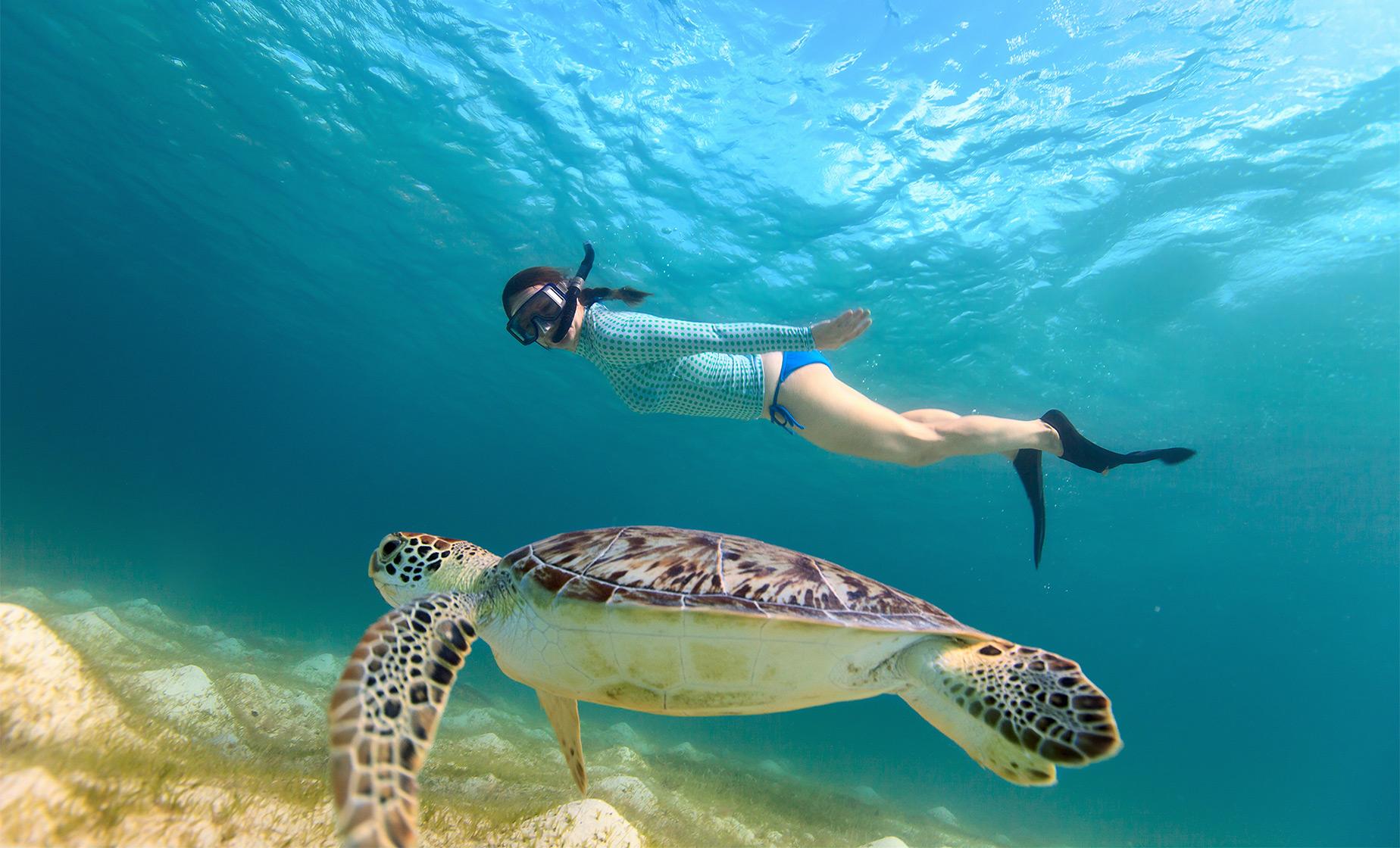
Huatulco's coastline divides into nine distinct bays—Conejos, Tangolunda, Chahué, Santa Cruz, Órgano, Maguey, Cacaluta, Chachacual, and San Agustín—each with its own reef ecology and access profile. Unlike resort snorkeling sites where visibility fluctuates with discharge cycles, these bays lie within a federally protected marine corridor where coral cover has remained stable since the park's designation in 1998. The result is a snorkeling environment shaped more by tidal phase and wind direction than by human disturbance. The huatulco snorkeling beaches that see the most repeat visits—La Entrega in Santa Cruz Bay, Maguey, and Órgano—share three traits: sheltered orientation that blocks afternoon swells, shallow reef platforms within 20 meters of shore, and vehicular access that doesn't require a boat charter. La Entrega's finger reef runs parallel to the beach at depths between two and five meters, making it navigable for beginners while still hosting trumpet fish, pufferfish, and occasional green sea turtles. Maguey Bay curves into a horseshoe that traps calmer water even when outer bays roughen, and its eastern rocks hold cleaning stations where wrasses service larger species. Órgano, the narrowest of the accessible bays, funnels cooler water through a corridor lined with brain coral and sea fans. Visibility follows a predictable diurnal pattern. Early-morning conditions before 10:00 typically yield 20 to 30 meters of clarity as overnight settling clears particulate and boat traffic remains minimal. By midday, lanchas ferrying beachgoers churn the shallows, and the prevailing northwest wind generates chop that suspends fine sediment. The park's 07:00 opening exists specifically to reward early entry—those who arrive at first light encounter reefs in their most legible state. The 125 MXN conservation fee supports mooring buoys that prevent anchor damage, reef monitoring by CONANP biologists, and waste removal infrastructure at high-traffic beaches. Reaching the more remote southern bays—Cacaluta, Chachacual, San Agustín—requires either a hired panga from Santa Cruz or a committed overland hike. These beaches see a fraction of the visitor load and offer correspondingly pristine conditions: Cacaluta's western point drops to 15 meters along a volcanic ridge, and San Agustín's offshore rocks attract schools of jacks and barracuda. For snorkelers prioritizing solitude and willing to navigate deeper water, the outer bays justify the logistical effort.
“Early-morning conditions before 10:00 typically yield 20 to 30 meters of clarity as overnight settling clears particulate and boat traffic remains minimal.”
The Best Arrival Window for Huatulco Snorkeling Beaches
The best arrival window for Huatulco snorkeling beaches is 07:00–11:00. Arriving during this period ensures optimal water visibility and allows you to enjoy the reefs before midday crowd volumes increase.
Dry Season (Dec–Apr)
High visitor numbersDry, 28°C–32°C. Low rainfall ensures calm, clear water.
November to April offers the most consistent conditions for snorkeling. Early arrival is essential to beat excursion boat traffic.
Rainy Season (May–Oct)
Lower visitor numbersHumid, 30°C–34°C. Occasional afternoon showers impact clarity.
Visibility can fluctuate due to runoff, making early morning visits critical. Mid-week days provide quieter beach access.
Weekday Mornings
Minimal local traffic—
Arriving at 07:00 provides the highest probability of calm, sediment-free water. This window avoids the peak influx of tour groups.
Verdict: For the best conditions, plan your visit for a weekday between 07:00 and 11:00 during the months of April or October.
Key Huatulco Snorkeling Beaches and Zones
Huatulco National Park encompasses several protected bays known for diverse coral reefs and marine life. These zones offer varying depths and accessibility for snorkelers of different experience levels.
Bahía de San Agustín
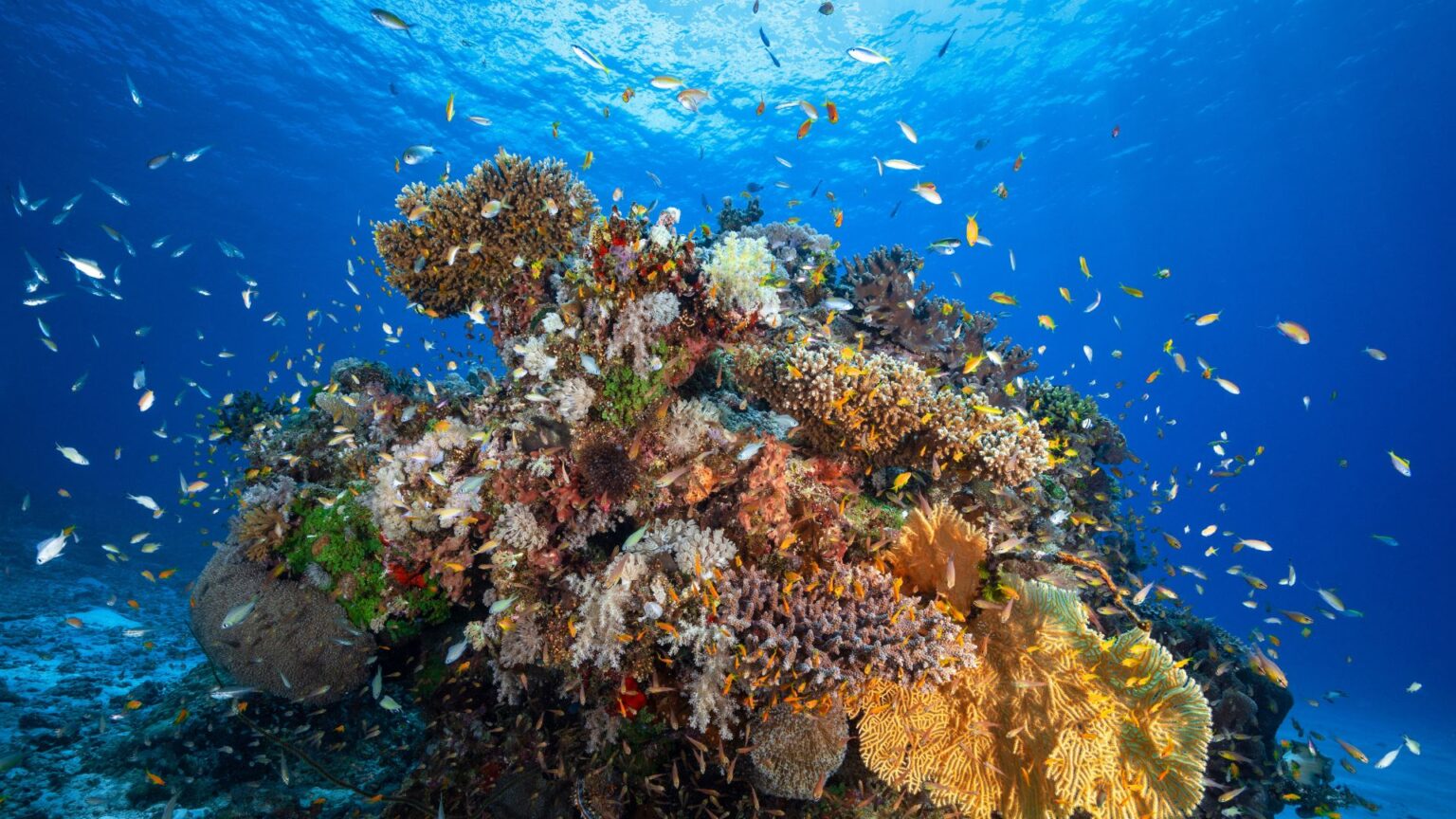
Known for its extensive coral reefs, this bay provides some of the clearest water in the region. It is ideal for observing schools of tropical fish in shallower areas.
Visit the eastern edge to find less crowded reef patches.
Bahía Chachacual
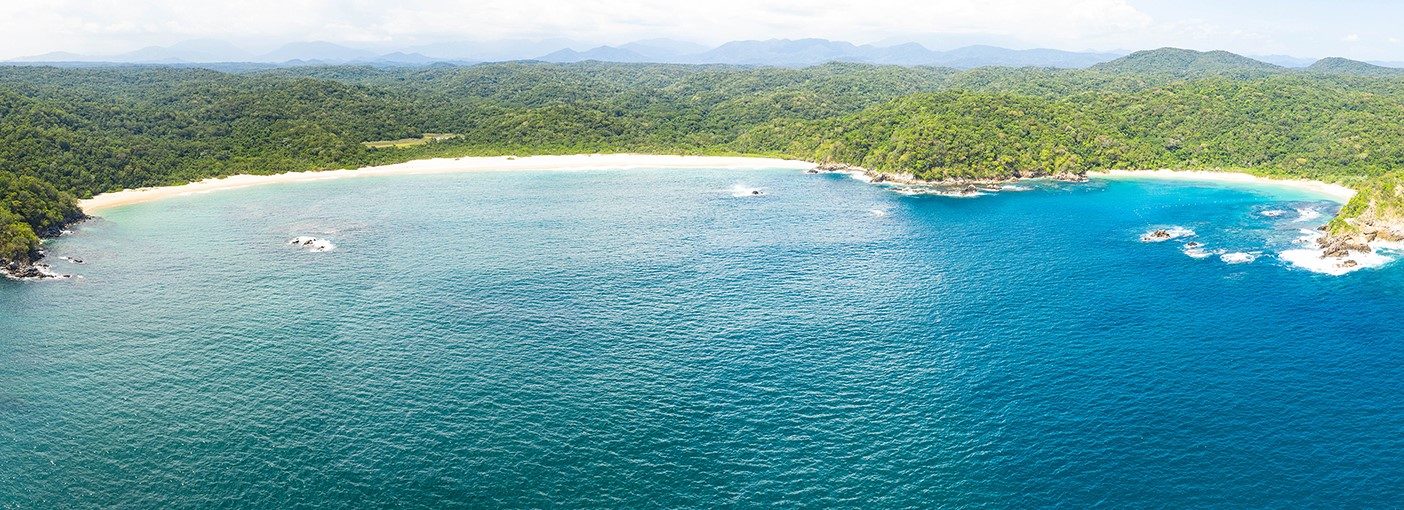
Located within the national park, this bay is accessible only by boat and features calm, clear waters. The surrounding dense vegetation keeps the area secluded and quiet.
Snorkel near the rocky outcrops for the best visibility.
Bahía Cacaluta
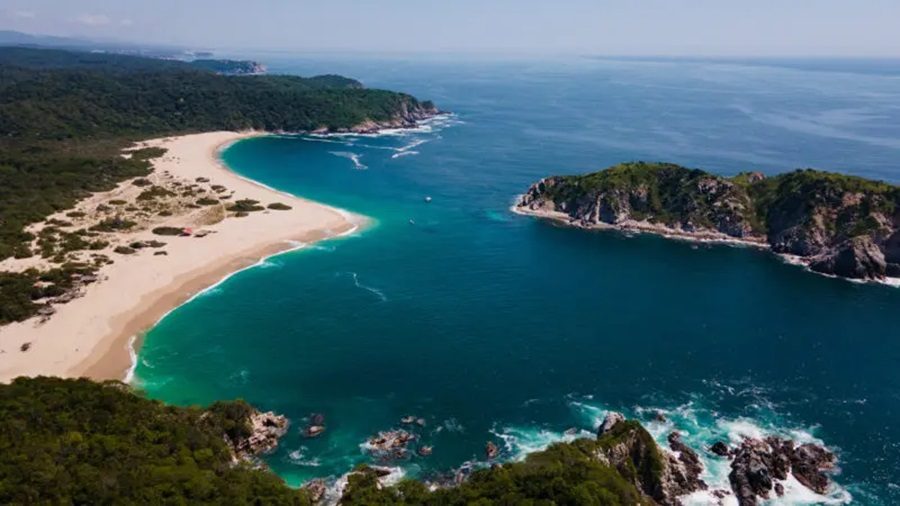
This large, pristine bay offers varied underwater terrain and deep-water snorkeling opportunities. It is part of the protected park core where marine life remains largely undisturbed.
Stay near the shoreline rocks to encounter sea turtles.
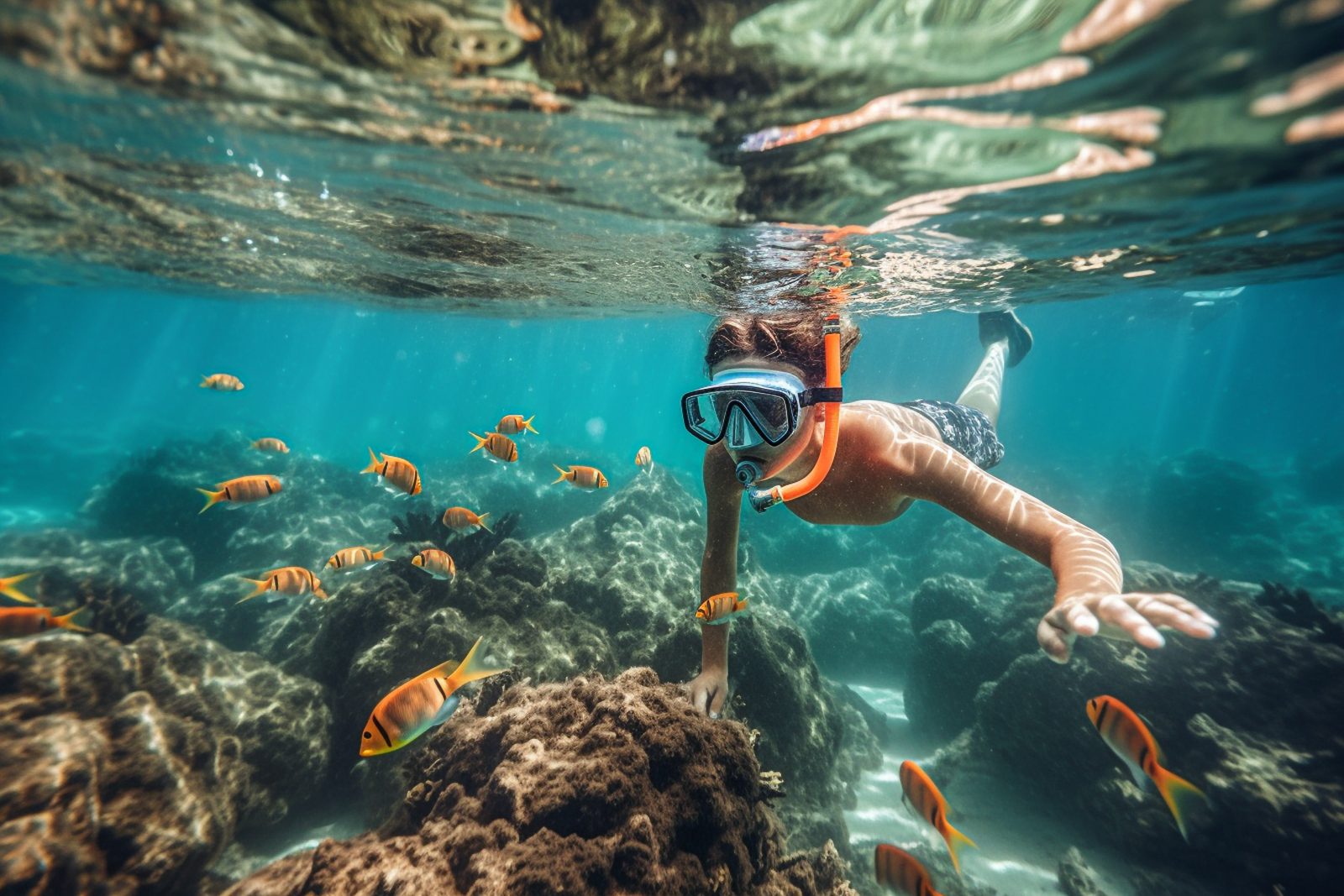
Bahía Maguey
A smaller bay featuring gentle currents and warm water, making it suitable for beginner snorkelers. The reef sections here are home to a variety of colorful reef fish.
Go during the morning hours to avoid peak boat traffic.
Check availability
Frequently asked questions about huatulco snorkeling beaches
Everything you need to know about huatulco snorkeling beaches