

Quick answer
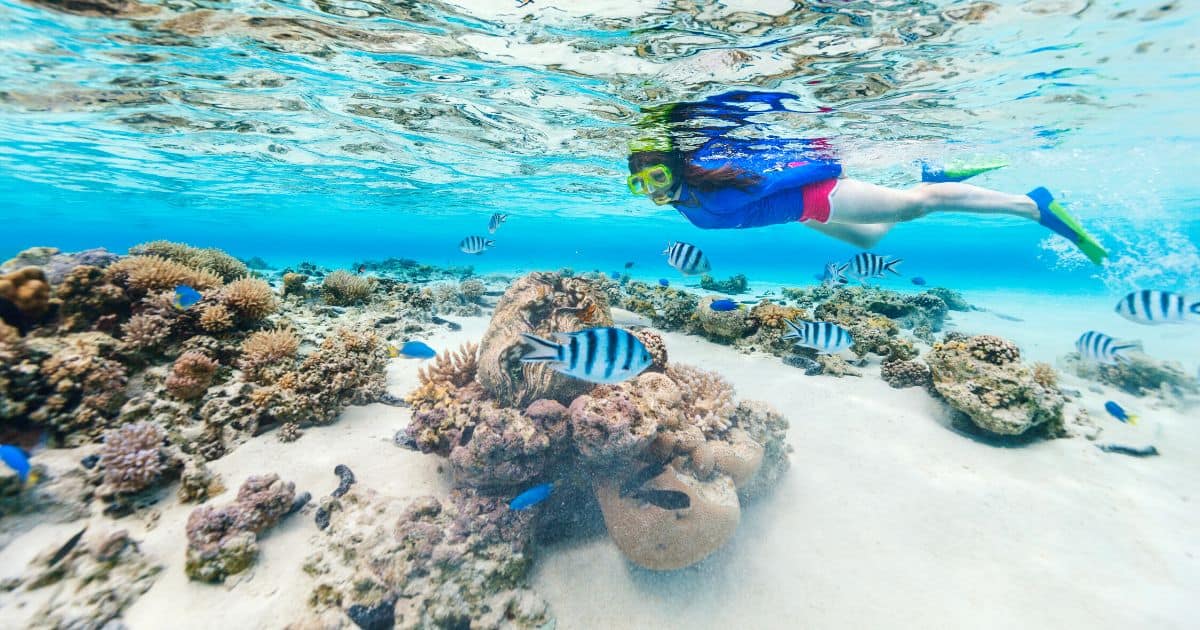
Huatulco National Park snorkeling takes place across nine protected bays, with entry requiring a 125 MXN conservation fee per person. The park opens daily from 07:00 to 19:00, and calm morning conditions between 07:00 and 11:00 offer the clearest visibility for observing coral gardens, parrotfish, angelfish, and occasional sea turtles in shallow reef zones.
Huatulco's reef systems support over 200 fish species and hard coral colonies that thrive in the warm, clear waters of the Oaxacan coast. The national park designation protects 11,890 hectares of marine and terrestrial ecosystems, making it one of Mexico's few coastal parks where snorkeling occurs within actively managed conservation zones rather than unregulated beaches. Snorkeling Huatulco's bays means entering water that ranges from three to twelve meters deep over reef structures. Bahía San Agustín and Bahía Chachacual hold the densest coral coverage, while Bahía Órgano and Bahía Maguey offer easier shore access for beginners. Visibility typically extends fifteen to twenty-five meters during calm periods, dropping when afternoon winds stir sediment. Most snorkelers encounter trumpetfish, sergeant majors, and yellowtail snappers within minutes of entering the water. Green sea turtles forage on seagrass beds near La Entrega beach, and hawksbill turtles appear occasionally along deeper reef edges. The conservation fee supports reef monitoring and ranger patrols that enforce no-touch policies. CONANP regulations prohibit standing on coral, feeding fish, or removing any marine life. Snorkeling here is self-guided—no mandated guides—but reef-safe sunscreen is strongly encouraged to prevent chemical damage to coral polyps. Most visitors combine snorkeling with boat access to outer bays, though several sites remain reachable by foot from the main hotel zone. Water temperature holds steady between 26°C and 29°C year-round, eliminating the need for wetsuits outside of extended immersion. The dry season from November through April delivers the calmest seas, but summer months still offer viable conditions during morning hours before thermal winds develop. Snorkeling the protected bays of Huatulco means working within a living laboratory where federal oversight and natural geography align to preserve one of the Pacific's quieter reef ecosystems.
“The national park designation protects 11,890 hectares of marine and terrestrial ecosystems, making it one of Mexico's few coastal parks where snorkeling occurs within actively managed conservation zones.”
Optimal Daily Windows for Huatulco National Park Snorkeling
The best arrival window is 07:00–11:00, as this timeframe provides the calmest water conditions for snorkeling and avoids the peak afternoon heat. Visiting during this early period ensures high visibility and cooler temperatures for exploring the reefs.
Weekday mornings
Minimal crowds—
These hours offer the most tranquil experience and clearest water for viewing marine life. Arriving early maximizes your time before wind picks up in the afternoon.
November to April
Moderate crowdsDry, 24°C–30°C
This season provides consistent sunshine and excellent water clarity for snorkeling. Expect lower precipitation levels during these months.
May to October
Higher crowdsHumid, 26°C–32°C
Warmer water temperatures prevail, though afternoon rain showers are more frequent. Plan your snorkeling sessions strictly in the early morning to avoid potential surface chop.
Verdict: The optimal snorkeling experience is found on weekday mornings between November and April, arriving promptly at 07:00.
Primary Snorkeling Bays in Huatulco National Park
Huatulco National Park encompasses several distinct bays that serve as primary snorkeling sites. These areas are recognized for their diverse marine life and coral reef structures.
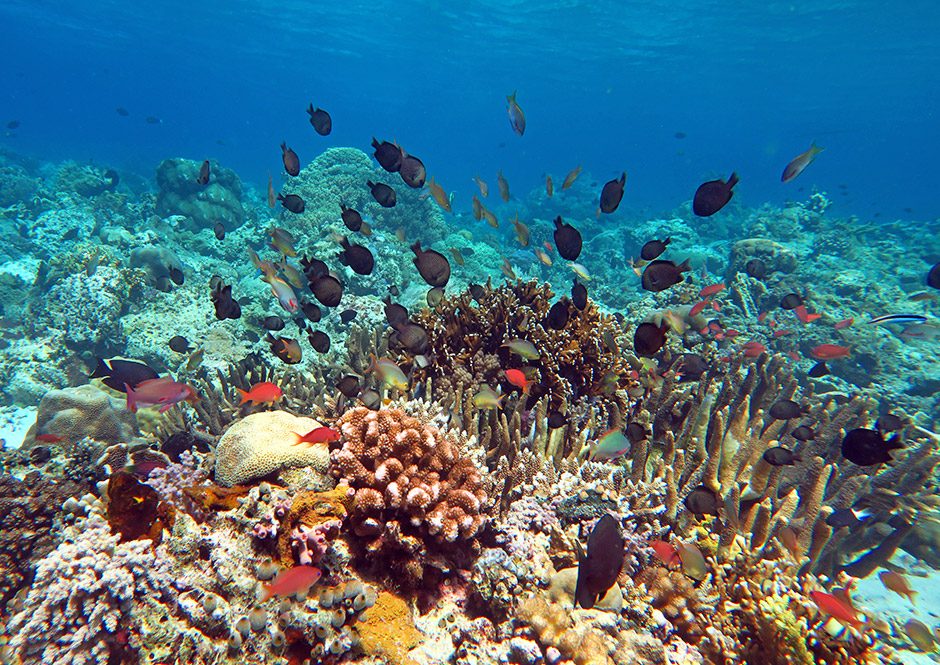
Bahía San Agustín
This bay is widely considered the premier snorkeling location in the park, featuring an extensive coral reef system. It offers shallow areas suitable for observing varied tropical fish species.
Swim toward the reef edge for the best visibility.
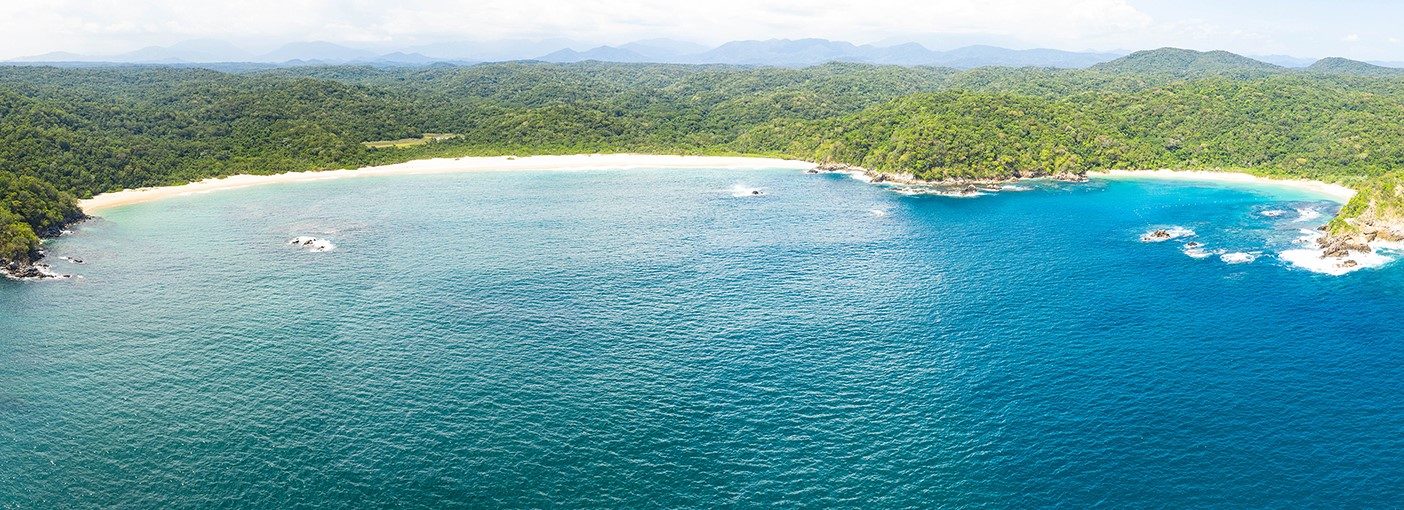
Bahía Chachacual
A protected bay accessible mainly by boat, known for its calm, clear waters and undeveloped coastline. It provides a quiet environment for observing marine life without significant surface disturbance.
Snorkel along the rock formations on the far left side.
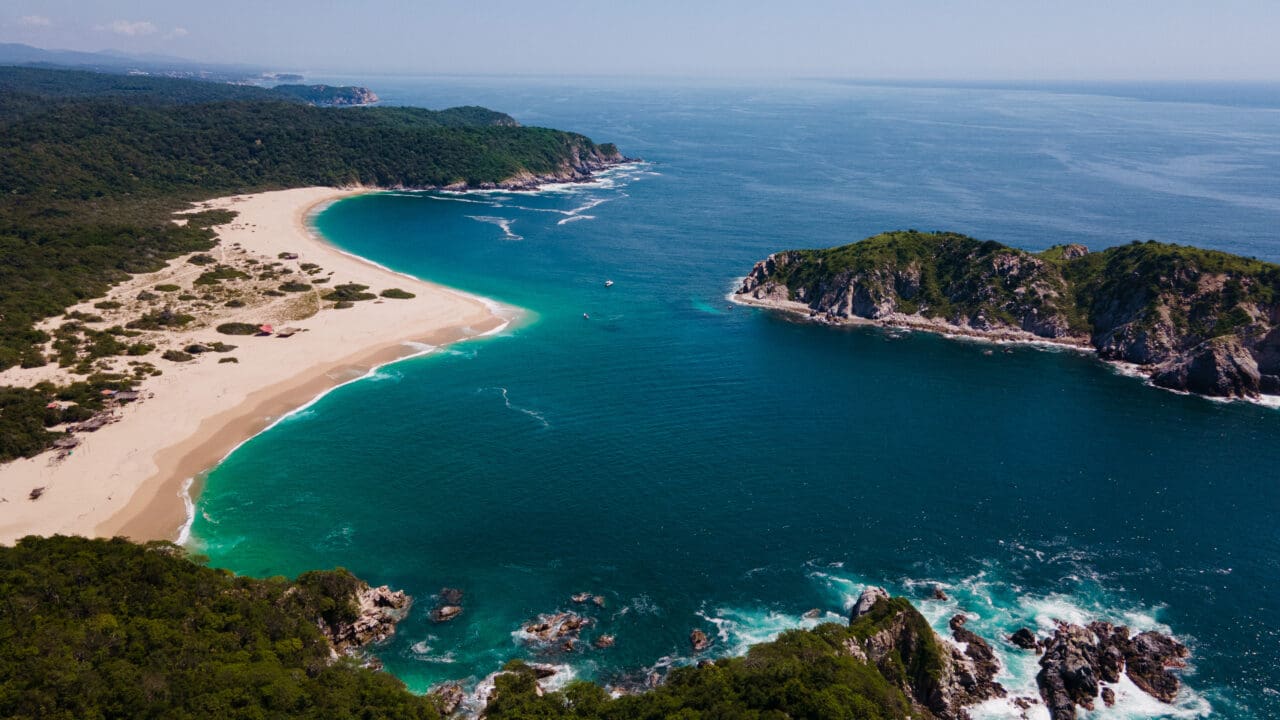
Bahía Cacaluta
This large, pristine bay is situated in a restricted area of the park, maintaining a high level of ecological integrity. The underwater terrain varies, offering opportunities to spot sea turtles and schools of reef fish.
Explore the rocky outcrops near the island at the bay entrance.
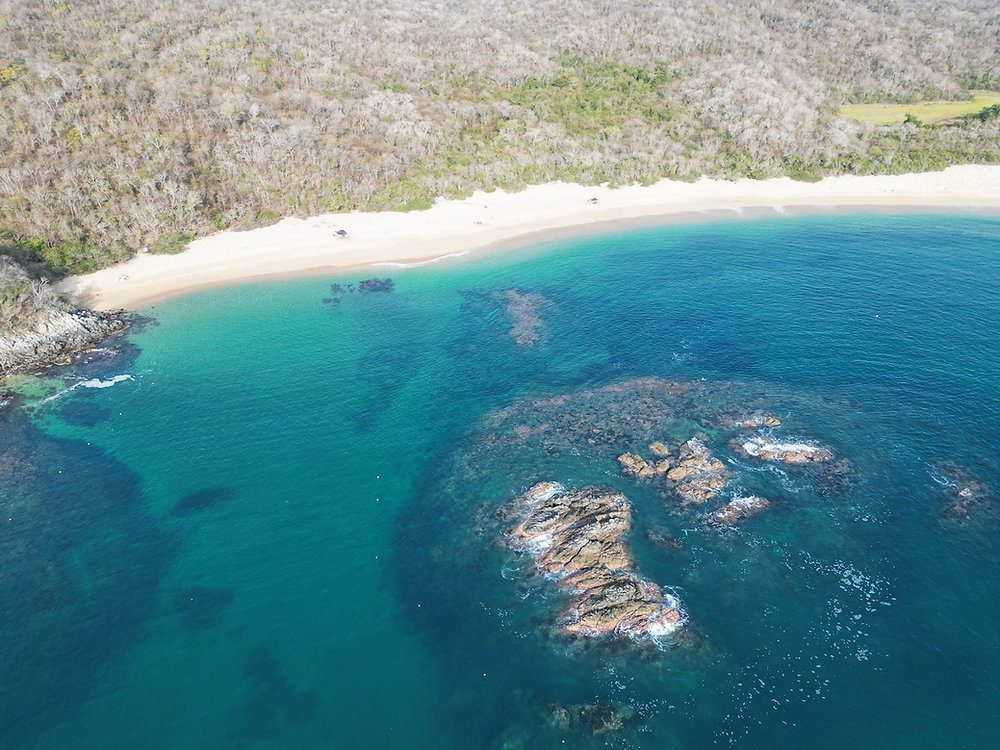
Bahía Maguey
Popular for its relatively shallow and calm waters, this bay is often visited for snorkeling near the shore. It hosts various marine invertebrates and smaller fish colonies within the rocky edges.
Visit the northern end of the bay where coral growth is concentrated.
Conservation Guidelines for Huatulco National Park Snorkeling
Huatulco National Park enforces strict marine conservation protocols to protect its coral reefs and endemic species. All visitors must follow sunscreen and wildlife interaction guidelines.
Do
- Use reef-safe, biodegradable sunscreen without oxybenzone or octinoxate
- Maintain a minimum 2-meter distance from all marine life
- Report any coral damage or marine injuries to park rangers immediately
- Rinse equipment with freshwater after snorkeling to prevent contamination
- Stay within designated snorkeling zones marked by buoys
Don't
- Touch, step on, or collect coral, shells, or any marine organisms
- Use aerosol or chemical-based sunscreens in park waters
- Feed fish or attempt to attract marine life with food
- Anchor boats directly on coral reefs or seagrass beds
- Wear gloves while snorkeling as they encourage touching wildlife
Check availability
Frequently Asked Questions About Huatulco National Park Snorkeling
Everything you need to know about huatulco national.park snorkeling